How Can I Improve Erections Safely?
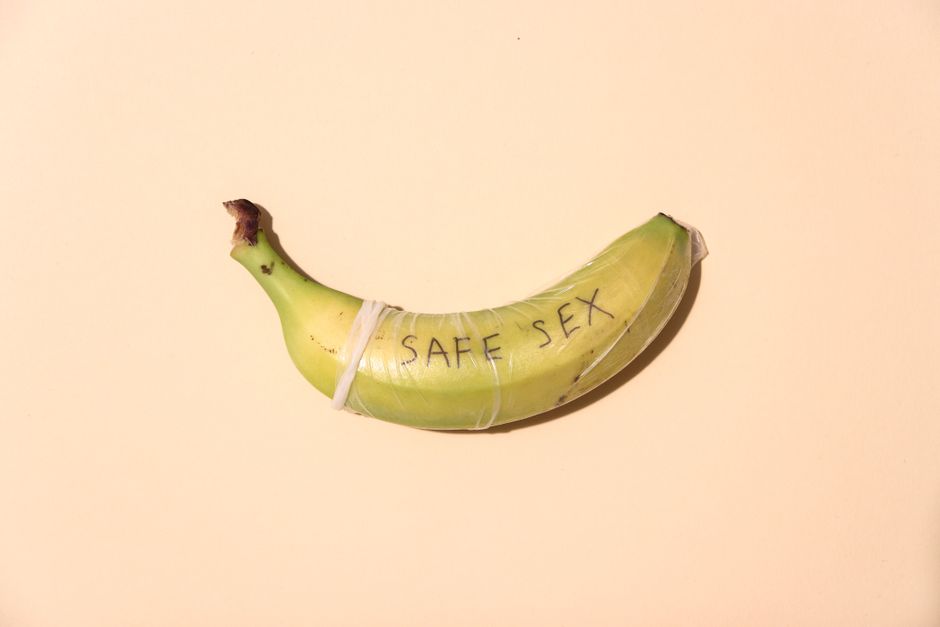
The evidence-supported starting point is to address physical activity, weight, smoking, alcohol, recreational drug use, sleep, stress, and any medical or medication contributors while arranging a clinical evaluation when erection problems persist. Prescription medicines can help some people, but they are not safe for everyone and require a review of heart health, current medicines, and nitrate use.
That may sound less tidy than a single-pill answer. It is also more honest. Erectile dysfunction is often a symptom with several possible contributors, and the useful question is not simply what might produce an erection tonight, but what deserves attention before treatment is chosen.
What lifestyle changes actually improve erections?
Regular exercise and reducing BMI can improve erectile function, according to the European Association of Urology (EAU) guideline, which rates this evidence at level 1b. That is a meaningful distinction: these are not wellness slogans pasted onto an ED discussion; they are changes with evidence behind them.
The National Institute of Diabetes and Digestive and Kidney Diseases (NIDDK) also identifies stopping smoking, limiting or stopping alcohol, increasing physical activity, maintaining a healthy weight, following a healthy eating plan, and avoiding recreational or illicit drugs as changes that may improve ED symptoms. These factors overlap with conditions that affect blood vessels and general health. That overlap is the point.
| Area to discuss or change | Why it belongs in the conversation |
|---|---|
| Physical activity and weight | The EAU reports that regular exercise and lower BMI can improve erectile function. |
| Smoking, alcohol, and recreational drugs | NIDDK identifies each as a lifestyle factor that may affect ED symptoms. |
| Eating pattern and related health conditions | NIDDK links healthy weight and eating patterns with preventing or managing contributors such as diabetes and high blood pressure. |
| Current prescriptions | NIDDK identifies several medicine categories that can contribute to ED, making a medication review worthwhile. |
A lifestyle plan is not a guarantee, and it does not need to become an all-or-nothing project. The practical value is that it addresses contributors that can matter whether a person eventually uses medication or not.
Can poor sleep, stress, alcohol, or porn affect my ability to get an erection?
Poor sleep, stress, and alcohol can affect erections; the supplied sources do not establish whether pornography use does. The EAU includes sleep disorders among conditions associated with ED, while NIDDK lists stress, anxiety, depression, low self-esteem, negative body image, and excessive alcohol use as factors that can cause ED or make it worse.
This is where a binary explanation can waste time. A person may have a physical contributor and a situational one at the same time. The EAU notes that psychogenic ED can be generalized or situational, including performance-related or partner-related issues and distress. In plain English, an erection problem can become more persistent when worry about the problem itself enters the room.
Psychosexual or relationship-focused support is therefore not a dismissal of physical symptoms. It is one way to address performance anxiety, communication, distress, and situational patterns alongside a medical review. The sources support assessing these factors; they do not support blaming a single habit without a broader evaluation.
How long does it take for exercise and weight loss to help erectile dysfunction?
Exercise and weight loss may help erectile dysfunction, but the supplied evidence does not provide a reliable personal timetable. The JAMA randomized trial in the research dossier followed an intervention built around diet and physical activity over an extended period and found improved erectile-function scores in the intervention group, while the control group changed little.
The useful takeaway is deliberately unglamorous: lifestyle change is a process, not an on-demand treatment. The EAU states that regular exercise and a decrease in BMI can improve erectile function, but neither the EAU nor NIDDK source supports promising when a particular individual will notice a change.
That uncertainty is not a reason to wait indefinitely for improvement. Persistent ED can justify assessment while lifestyle changes are underway, particularly because diabetes, high blood pressure, cardiovascular disease, obesity, hormonal issues, medication effects, and mental-health factors can coexist.
Are sildenafil and tadalafil safe for everyone?
No. Sildenafil and tadalafil are not safe for everyone, and a clinician needs to review cardiovascular status, nitrate use, and other medicines before they are used. NIDDK explains that PDE5 inhibitors improve blood flow to the penis and may help a person get and keep an erection, but it also emphasizes that a health professional can review medicines that may contribute to ED.
The FDA prescribing information for sildenafil states that it is contraindicated with nitric-oxide donors, including organic nitrates or nitrites, because the combination can amplify blood-pressure lowering. The same FDA document says ED treatments generally should not be used when sexual activity is inadvisable because of cardiovascular status. This is a safety screen, not paperwork.
Online products marketed as natural enhancement are not a reliable shortcut. In an FDA warning about X10 Natural Enhancement Supplement, laboratory analysis found undeclared sildenafil and tadalafil. The FDA also warns that absence from its warning list does not establish that a supplement is safe, because it cannot identify every product with hidden ingredients.
When does ED need a medical assessment?
ED needs medical assessment when it is persistent, troubling, new, or accompanied by health concerns or medication changes. NIDDK is direct: ED may be a symptom of another health problem. Its causes page lists diabetes, atherosclerosis, high blood pressure, stroke, obesity, chronic kidney disease, low testosterone, thyroid imbalance, and neurologic disorders among possible medical contributors.
A productive appointment is broader than a prescription request. The EAU recommends a medical and sexual history that includes the rigidity and duration of morning and sexually stimulated erections, and it notes that validated tools such as the IIEF or SHIM can help assess erectile function. NIDDK also identifies potential contributors among antidepressants, antihistamines, blood-pressure medicines and diuretics, some pain relievers, sedatives, chemotherapy, and hormone medicines.
For predominantly vasculogenic ED, the EAU notes that the Princeton IV consensus recommends calculating long-term ASCVD risk. The larger lesson is straightforward: treating the underlying cause when possible, as NIDDK describes, is often more useful than treating a symptom in isolation.
Frequently Asked Questions
Why do I get morning erections but struggle during sex?
Morning erections are useful information, but they do not settle the cause on their own. The European Association of Urology recommends discussing the rigidity and duration of both morning and sexually stimulated erections during evaluation; situational, partner-related, performance-related, stress-related, and anxiety-related factors can all contribute.
Can erectile dysfunction be a sign of heart disease, diabetes, or low testosterone?
Yes. NIDDK lists diabetes, atherosclerosis, high blood pressure, obesity, low testosterone, thyroid imbalance, chronic kidney disease, and neurologic disorders among conditions that can cause ED. The EAU also notes that ED shares risk factors with cardiovascular disease, making assessment of possible underlying conditions more useful than treating ED as an isolated problem.
What should I do if ED medication does not work?
A clinician can review whether the diagnosis, contributing medicines, health conditions, and treatment plan need reconsideration. NIDDK lists clinician-guided alternatives including injections, urethral suppositories, vacuum erectile devices, and, after other options have been tried, surgery such as a penile implant.
Sources
- European Association of Urology Guidelines on Sexual and Reproductive Health
- National Institute of Diabetes and Digestive and Kidney Diseases: Treatment for Erectile Dysfunction
- National Institute of Diabetes and Digestive and Kidney Diseases: Symptoms and Causes of Erectile Dysfunction
- JAMA: Effect of Lifestyle Changes on Erectile Dysfunction in Obese Men
- U.S. Food and Drug Administration: Viagra Prescribing Information
- U.S. Food and Drug Administration: X10 Natural Enhancement Supplement Warning
Disclaimer: This article is for general information only and is not medical advice. It is not a substitute for diagnosis or treatment by a qualified healthcare professional. Always speak to your doctor before acting on anything you read here.