
Can I Eat Fruit if I Have Diabetes Without Spiking Blood Sugar?
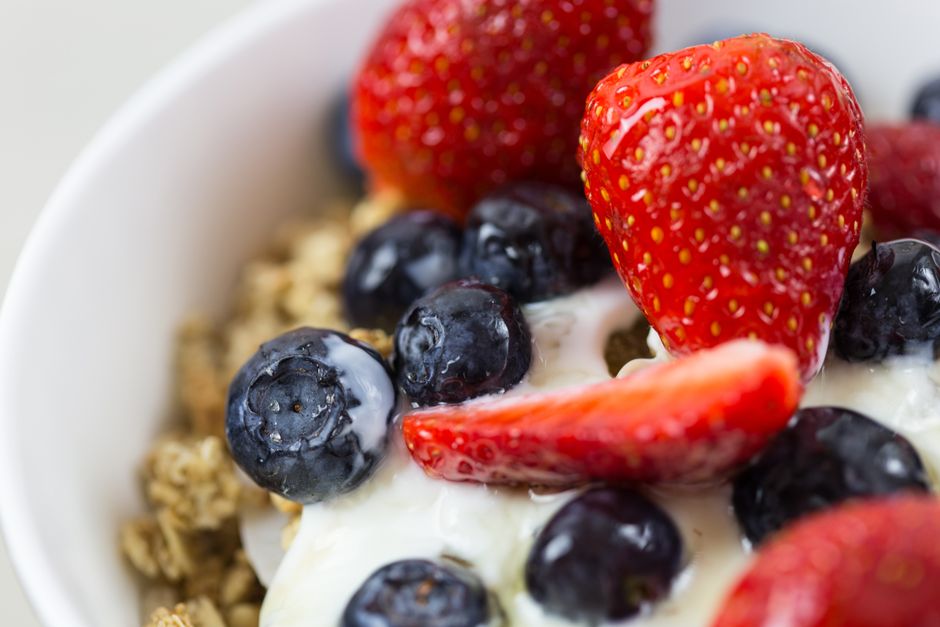
Yes. Whole fruit can fit into a diabetes eating plan, but the practical variables are portion size, form, and the rest of the meal. Fresh berries, apples, pears, and oranges are lower-GI examples, while juice and dried fruit make it easier to consume carbohydrate quickly. A meter or CGM can reveal your own pattern using targets set with your diabetes care team.
The useful question is not whether fruit is "allowed." It is whether the amount, form, and meal context work with your glucose plan. Fruit contains carbohydrate, and carbohydrates raise blood glucose, according to the Centers for Disease Control and Prevention. That is a fact worth respecting, not a reason to turn an apple into a forbidden object.
Which fruits are least likely to spike blood sugar?
Whole strawberries, raspberries, pears, apples, oranges, and grapes are among Diabetes UK's low-GI examples, so they are generally reasonable places to start when comparing fruit choices. Low GI means a food ranks 55 or below on a scale of 0 to 100 for how quickly it raises blood glucose, according to Diabetes UK.
That ranking is useful, but it is not a verdict. Diabetes UK explicitly notes that GI does not account for portion size, which can have a bigger effect on blood glucose. A larger serving of a lower-GI fruit can still contain more carbohydrate than a modest serving of another fruit. The boring answer is usually the right one: compare portions before declaring a fruit good or bad.
| Fruit form or example | Practical carbohydrate reference | What to watch |
|---|---|---|
| Small whole fruit | About 15 grams, American Diabetes Association | Size varies; a medium fruit is roughly fist-sized, CDC |
| Fresh berries or melon | About 3/4 to 1 cup for 15 grams, American Diabetes Association | Measure initially if portions tend to drift |
| Frozen or canned fruit | About 1/2 cup for 15 grams, American Diabetes Association | Choose fruit packed in its own juice, unsweetened, or with no added sugar |
| Dried fruit | 2 tablespoons for about 15 grams, American Diabetes Association | Small volume can make repeat servings easy |
| 100% fruit juice | 150 mL provides about 15 grams, Diabetes UK | Less intact fiber and quick to drink |
The table is not a menu of guarantees. It is a way to make portions visible. Whole fruit asks you to chew; juice and dried fruit can make the same carbohydrate amount disappear with very little pause.
Can I eat grapes, mango, watermelon, or bananas if I have diabetes?
Yes, grapes, mango, watermelon, and bananas can be included, but portion awareness matters especially with fruits that are easy to eat in quantity or have a higher GI example. The American Diabetes Association includes all four among common fruit choices, while Diabetes UK cautions that it is easy to eat a lot of grapes and tropical fruits in one sitting.
Watermelon is listed as a high-GI example by Diabetes UK, while cantaloupe, pineapple, and overripe bananas are listed as medium-GI examples. That does not make a measured portion of watermelon automatically off-limits. It means the fruit's GI label cannot substitute for knowing how much is on the plate and what else is being eaten.
Banana size is a clean example of why vague advice fails. Diabetes UK describes a large banana as 1.5 fruit portions and about 30 grams of carbohydrate. Compare that with the American Diabetes Association's reference of about 15 grams for a small piece of whole fruit. Same food category, materially different carbohydrate amount.
Juice deserves separate treatment. The CDC says fruit juice raises blood glucose faster than whole fruit, and Diabetes UK notes that smoothies and juice have less intact fiber. If the aim is steadier post-meal readings, whole fruit offers a more manageable starting point than drinking fruit.
How much fruit can I eat at one time with type 2 diabetes?
A practical starting portion is one carbohydrate serving, then individualized adjustment using your care plan and glucose patterns. The American Diabetes Association describes a small piece of whole fruit or about 1/2 cup of frozen or canned fruit as about 15 grams of carbohydrate; it puts most fresh berries and melons at about 3/4 to 1 cup for that amount.
Diabetes UK uses a slightly different everyday reference: a typical fresh fruit portion is 80 grams, roughly what fits in an adult palm, and a medium apple-sized fruit portion generally contains about 15 to 20 grams of carbohydrate. These are not contradictory instructions so much as a reminder that fruit size is imprecise. Packaging, a measuring cup, or a brief period of portion checking can remove much of the guesswork.
Meal context changes the picture. The CDC's Plate Method uses a 9-inch plate with half nonstarchy vegetables, one quarter lean protein, and one quarter carbohydrate foods; fruit can occupy part of the carbohydrate choice. The CDC also states that carbohydrate eaten with protein, fat, or fiber rises more slowly in blood glucose. Pairing fruit with a meal or snack containing those foods may change the curve, though it cannot erase the carbohydrate in the fruit.
Medicines and physical activity also affect glucose, according to the CDC. That is why a generic fruit rule has limits. People using glucose-lowering medicines, those with frequent highs or lows, and anyone whose readings consistently miss clinician-set targets need individualized guidance from their diabetes care team rather than a stricter internet rule.
Frequently Asked Questions
Should I pair fruit with protein or fat to prevent a glucose spike?
Pairing fruit with protein, fat, or fiber may slow how quickly blood glucose rises; it does not guarantee that glucose will not rise. The CDC states that eating carbohydrates alongside foods containing protein, fat, or fiber slows the rise. The total fruit portion and the rest of the meal still matter.
Why does an apple raise my glucose but berries do not?
Both fruits contain carbohydrate, but the portion, ripeness, preparation, accompanying foods, activity, and medicines can change a reading. Diabetes UK lists apples and berries among low-GI examples, yet it also notes that GI does not account for portion size. A repeatable testing pattern is more useful than assuming one fruit will affect every person identically.
Can I use a glucose meter or CGM to test my response to fruit?
A meter or CGM can help identify patterns, because food choices, medicines, and physical activity can all affect glucose during the day. The CDC lists targets for many nonpregnant adults with diabetes of 80 to 130 mg/dL before meals and below 180 mg/dL 1 to 2 hours after meals, while emphasizing that individual targets and testing schedules should come from a clinician. Record the fruit, portion, meal context, timing, and unusual factors before discussing a pattern with the care team.
For a simple process, repeat one ordinary meal with the same fruit portion rather than changing several variables at once. Log the reading, the fruit form, and what accompanied it. For context on interpreting results, see What Does My Fasting, Random, or Post-Meal Blood Sugar Reading Mean?, and use the pattern, not a single reading, in a discussion with your care team.
Sources
- American Diabetes Association: Fruit
- Centers for Disease Control and Prevention: Diabetes Meal Planning
- Centers for Disease Control and Prevention: Monitoring Your Blood Sugar
- Diabetes UK: Fruit and Diabetes
- Diabetes UK: Glycaemic Index and Diabetes
Disclaimer: This article is for general information only and is not medical advice. It is not a substitute for diagnosis or treatment by a qualified healthcare professional. Always speak to your doctor before acting on anything you read here.