
How Can I Build a Healthy Eating Pattern Without Restrictive Diet Rules?
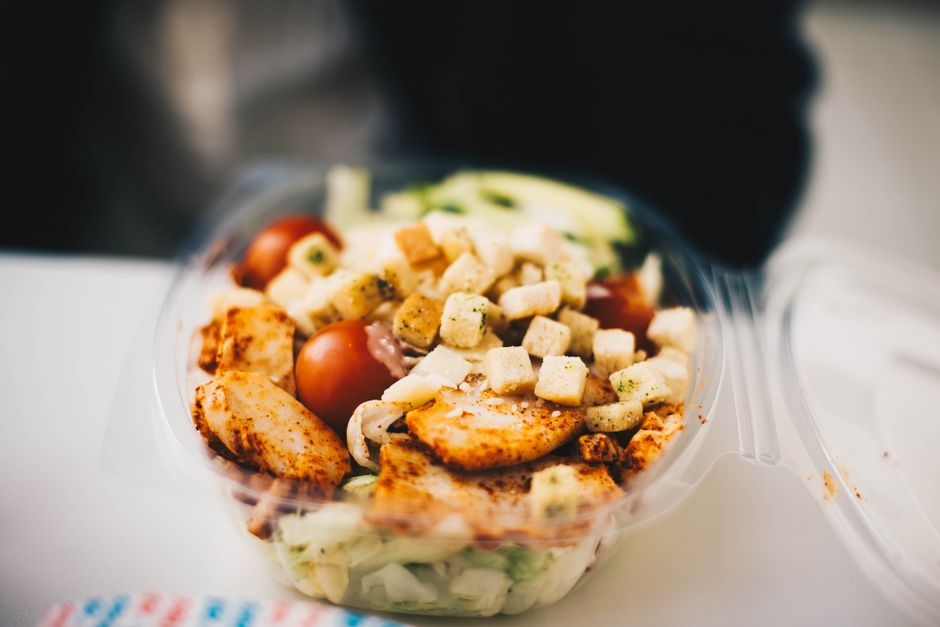
Build a healthy eating pattern by repeatedly choosing vegetables or fruits, grains, protein foods, dairy or fortified soy alternatives, and oils in combinations that fit your culture, budget, and schedule. The 2020-2025 Dietary Guidelines for Americans call this a customizable framework, not a rigid prescription; Mediterranean-style eating is one useful version, not a rulebook you must follow exactly.
What is the healthiest diet to follow long term?
The healthiest long-term diet is the one built around a high-quality, adaptable pattern rather than a short list of forbidden foods. The 2020-2025 Dietary Guidelines identify vegetables, fruits, grains, dairy or fortified soy alternatives, protein foods, and oils as the core food groups, while emphasizing nutrient-dense choices with little added sugar, saturated fat, and sodium.
That sounds almost too ordinary. It is also the point. A plan that cannot accommodate a family meal, a busy week, or familiar cultural foods is carrying more rules than most people need.
The federal guidelines set population-level limits for people age 2 and older: added sugars below 10% of daily calories, saturated fat below 10% of daily calories, and sodium below 2,300 milligrams per day in the 2020-2025 guidance. These are guardrails for the pattern, not a requirement to calculate every bite. The same guidance reported an average Healthy Eating Index score of 58 out of 100 for Americans age 2 and older, showing that the bigger opportunity is improving the usual pattern, not chasing dietary perfection.
The American Heart Association makes the comparison clearer: DASH, plant-based, vegetarian, and vegan patterns can all be healthy. Its practical standard is overall diet quality, rather than a single food or nutrient. That is a useful filter when popular approaches disagree about bread, beans, dairy, or fat.
| Approach | What the cited guidance supports | Practical reading |
|---|---|---|
| Mediterranean-style | Fruits, vegetables, grains, potatoes, beans, nuts, seeds, olive oil, and lower-to-moderate amounts of dairy, eggs, fish, and poultry. | A flexible food pattern, not a country-specific menu. |
| Plant-forward | The American Heart Association recognizes plant-based, vegetarian, and vegan patterns as potentially healthy. | Plant foods can lead the plate without requiring every meal to be identical. |
| Restrictive rules | The Dietary Guidelines describe healthy eating as customizable rather than rigid. | Ask whether the rule improves the overall pattern or merely makes eating harder. |
Do I have to follow the Mediterranean diet exactly?
No, because there is no single Mediterranean diet to copy exactly. The American Heart Association notes that eating patterns differ across at least 16 countries and regions bordering the Mediterranean, while sharing broad elements such as plant foods, olive oil, and modest amounts of several animal foods.
This is where labels can create unnecessary anxiety. Mediterranean-style eating does not make one olive oil purchase virtuous, and it does not make an ordinary meal inadequate because it is not from a Mediterranean tradition. The useful question is whether the meal moves the usual pattern toward vegetables, fruits, grains, beans, nuts or seeds, and less added sugar, sodium, saturated fat, and highly processed food.
There is credible trial evidence behind this pattern, with important limits. In the 2018 PREDIMED report in the New England Journal of Medicine, 7,447 adults ages 55 to 80 with high cardiovascular risk but without cardiovascular disease were assigned to Mediterranean diets supplemented with extra-virgin olive oil or nuts, or to reduced-fat-diet advice. Over a median 4.8 years, major cardiovascular events occurred in 3.8% of the olive-oil group, 3.4% of the nut group, and 4.4% of the control group.
The study examined energy-unrestricted eating, which matters for anyone tired of calorie arithmetic. But it was conducted in a specific high-risk adult population; it does not turn a single eating style into a guaranteed outcome for every person. Evidence is useful. Overclaiming it is not.
What should a balanced meal look like?
A balanced meal can look like a simple combination of a vegetable or fruit, a grain, a protein food, and a dairy or fortified soy choice when that fits the meal, with oils used in place of less favorable fats where practical. The 2020-2025 Dietary Guidelines support these core groups, but they do not require every plate to be assembled in one exact proportion.
Think in components rather than compliance. A bean-and-rice soup with frozen vegetables, a grain bowl with vegetables and a protein food, or pasta extended with vegetables can all move in the same direction. A meal does not become useful only when it resembles a social-media template.
Convenience counts because it affects whether the pattern survives a Wednesday evening. According to the American Heart Association's processed-food guidance, processing is a spectrum: salad mixes, bagged dry beans, roasted unsalted nuts, and frozen produce are examples of minimally processed foods. Canning, pasteurization, and vacuum packaging can improve safety and reduce spoilage, while some processed foods are fortified with nutrients.
The label question is more useful than the category question. The American Heart Association reports that about 70% of sodium in the typical U.S. diet comes from commercially processed and restaurant foods; comparing products and choosing canned or frozen items without salty sauces or sugary syrups can help keep the overall pattern aligned with the 2020-2025 Dietary Guidelines. Fresh food is not the only legitimate choice.
Budget deserves the same practical treatment. USDA MyPlate recommends a simpler menu, adding rice to soups or stews, frozen vegetables to pasta, and beans to burgers. Freezing leftovers and extra chopped vegetables can also reduce waste and save preparation time. Pairing this eating pattern with routines such as outdoor exercise may support a broader health routine, but food and movement are separate decisions that do not need to be solved with one perfect plan.
Frequently Asked Questions
How can I eat healthier without counting calories?
Use the food groups in the 2020-2025 Dietary Guidelines as a repeatable meal framework: combine vegetables or fruit, grains, protein foods, dairy or fortified soy alternatives, and oils across the day. The PREDIMED trial published in 2018 studied energy-unrestricted Mediterranean eating, so its design did not depend on calorie counting. Food choice still involves context, including preferences, budget, and health needs.
Are all processed foods unhealthy?
No. The American Heart Association explains that processing ranges from minimally processed options such as frozen produce and bagged dry beans to products such as sugary drinks, chips, and smoked sausage. Frozen and canned beans, fruits, and vegetables can be as nutritious as fresh choices; products without salty sauces or sugary syrups can make label comparison simpler.
How do I start eating healthy on a budget?
Start with a simpler menu and use lower-cost staples repeatedly. USDA MyPlate suggests stretching soups or stews with rice, pasta with frozen vegetables, and burgers with beans, while freezing leftovers or extra chopped vegetables to reduce waste. The best budget approach is usually the one that fits the foods, time, and storage available to your household.
Sources
- U.S. Departments of Agriculture and Health and Human Services, Dietary Guidelines for Americans, 2020-2025
- American Heart Association, What Is the Mediterranean Diet?
- New England Journal of Medicine, PREDIMED Study
- American Heart Association, Can Processed Foods Be Part of a Healthy Diet?
- USDA MyPlate, Eat Healthy on a Budget
Disclaimer: This article is for general information only and is not medical advice. It is not a substitute for diagnosis or treatment by a qualified healthcare professional. Always speak to your doctor before acting on anything you read here.