
Should I Use a Continuous Glucose Monitor If I Do Not Have Diabetes?
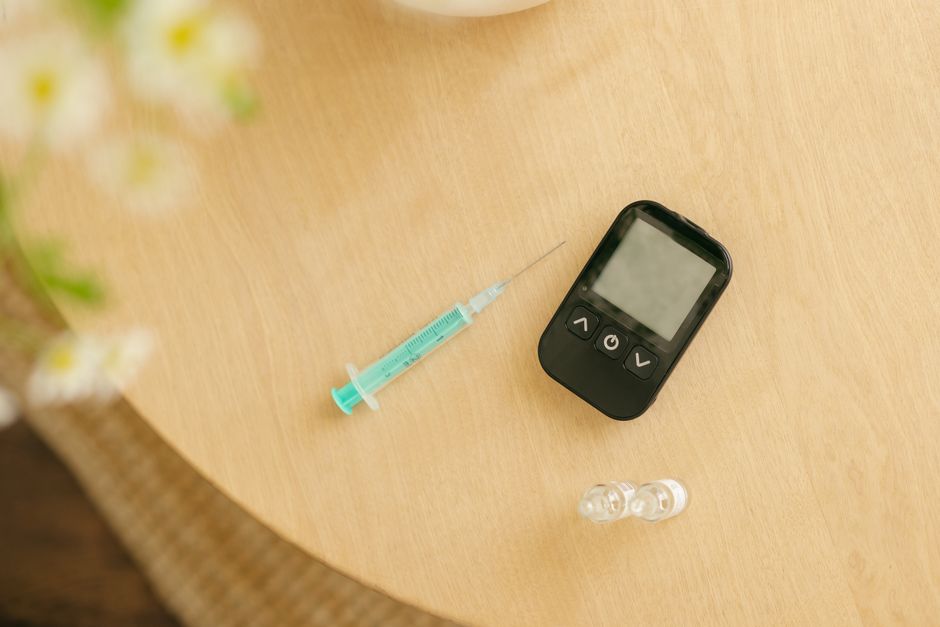
A continuous glucose monitor may be useful for short-term curiosity about how meals, sleep, exercise, and timing coincide with glucose trends, but it cannot diagnose prediabetes or insulin resistance. Brief rises after eating can occur in people with normal glucose regulation, and there are no universally accepted consumer CGM targets. Treat the data as context for a clinician conversation, not a scorecard or medical verdict.
Is it worth using a continuous glucose monitor if I do not have diabetes?
It may be worth it as a limited learning exercise, but the evidence does not support treating a CGM as a personal metabolic report card. The FDA cleared the Dexcom Stelo system in 2024 for adults aged 18 or older who do not use insulin, including people who want to understand how diet and exercise affect glucose; the system displays values and trends every 15 minutes and a sensor can be worn for up to 15 days.
That describes what the device can show, not what it can prove. A 2024 narrative review in Diabetic Medicine found a lack of consistent, high-quality evidence that CGMs detect abnormal glucose, create sustained behavior change, or improve metabolic health in people without diabetes. The practical distinction matters. A graph can prompt a better question; it cannot, by itself, supply the answer.
If someone uses a CGM, the least distorted approach is to look for repeated circumstances rather than judge one breakfast, one workout, or one afternoon slump. Compare like with like when possible: similar meal composition, similar timing, and notes about exercise or sleep. A mixed meal and a meal built around a high-protein vegan breakfast are not automatically health rankings based on a single curve; they are simply different inputs that may be worth discussing in a broader eating pattern.
The FDA stated in 2024 that users should not make medical decisions based on device output without consulting a health care professional. Its reported study adverse events included local infection, skin irritation, and pain or discomfort. The upside is information. The limits and trade-offs are part of the information too.
Are blood sugar spikes after meals normal in people without diabetes?
Yes, brief glucose elevations after meals can occur in people without diabetes, so a visible rise is not automatically a warning sign. In a 2009 Diabetes Care study of 434 healthy adults with normal fasting and oral glucose-tolerance results, about 60% had at least one CGM reading at or above 140 mg/dL during three days of monitoring.
The same 2009 study found that glucose between 70 and 140 mg/dL accounted for 93% plus or minus 8% of the day, while time at or above 140 mg/dL averaged 4.1% plus or minus 5.8%. That is a useful reality check, not a consumer target. The researchers explicitly noted that generally accepted CGM reference values were lacking and proposed population-specific reference values rather than universal rules.
Context changes the curve. The FDA's 2024 device summary says a CGM measures glucose in interstitial fluid, not directly in blood. Food, timing, activity, and the ordinary variation of a sensor reading can all make a single peak look more meaningful than it is. Checking the phone after every meal does not make the data more certain.
| What a CGM pattern can suggest | What it cannot establish |
|---|---|
| A repeated relationship between a routine and a glucose trend | That one food is unhealthy for everyone or for you |
| A reason to bring observations to a clinician | A diagnosis of prediabetes, diabetes, or insulin resistance |
| A sensor value outside its display range | A substitute for laboratory confirmation |
What CGM readings should concern a person without diabetes?
Recurring, surprising readings are a reason to seek context from a clinician, especially if they lead toward a medical decision, but no isolated CGM number can diagnose a condition. In the 2009 Diabetes Care study, eight of 434 healthy participants, or 1.8%, had a reading at or above 200 mg/dL, and the longest episode lasted 45 minutes. An alarming-looking point can occur even in a group classified as having normal glucose regulation.
Device limits also matter. The FDA's 2024 Stelo decision summary says the device's real-time reportable range is 70 to 250 mg/dL; readings outside that range appear as below 70 mg/dL or above 250 mg/dL, although the full measurement range is 40 to 400 mg/dL. The same 2024 summary reported that 84.3% of readings from 70 to 180 mg/dL were within 15% of the laboratory comparator in a pivotal study of 130 participants.
That is not a reason to dismiss the device. It is a reason to resist false precision. The FDA's 2024 labeling also warns that acetaminophen doses above 1,000 mg every six hours and hydroxyurea can make readings appear higher than actual glucose. A recurring pattern, a mismatch with how someone feels, or a result that would alter care belongs in a clinical conversation rather than in a self-directed diagnosis.
Can a CGM diagnose prediabetes or insulin resistance?
No. The Centers for Disease Control and Prevention states in 2024 that a blood sugar test is needed to determine whether a person has prediabetes or diabetes. A CGM is a stream of sensor estimates; diagnostic testing uses defined blood-test thresholds.
| Laboratory test | Normal | Prediabetes | Diabetes |
|---|---|---|---|
| A1C, CDC 2024 | Below 5.7% | 5.7% to 6.4% | 6.5% or higher |
| Fasting plasma glucose, CDC 2024 | 99 mg/dL or below | 100 to 125 mg/dL | 126 mg/dL or above |
| Two-hour oral glucose tolerance test, CDC 2024 | 140 mg/dL or below | 140 to 199 mg/dL | 200 mg/dL or above |
These thresholds are useful because they clarify the job of each tool. A CGM may make a person curious about a pattern; laboratory testing answers the diagnostic question. The CDC says in 2024 that a clinician may repeat testing to confirm accuracy after a glucose result obtained at a health fair or pharmacy. The same caution applies when a wearable result becomes a source of concern.
Frequently Asked Questions
Why do I see different glucose responses to the same meal?
A CGM captures a changing trend rather than a fixed verdict on a food. The same meal can be eaten at a different time, alongside different foods, or after a different exercise or sleep pattern, so comparing repeated patterns is more informative than treating one curve as a permanent food rule. FDA's 2024 Stelo decision summary also notes that the device measures glucose in interstitial fluid rather than directly in blood.
Can CGM use cause unnecessary anxiety or restrictive eating?
It can. A 2024 narrative review in Diabetic Medicine warned that inexperienced users may exclude otherwise healthy foods simply to avoid a glucose excursion, and that lower-glucose readings can be less reliable in this setting. A useful guardrail is to avoid turning one sensor trace into a rule about a food group or personal health status.
When should CGM results be confirmed with a lab test or clinician?
Confirm results when a recurring pattern raises concern, when a reading prompts a medical decision, or when symptoms and the sensor result do not seem to match. The CDC states in 2024 that a blood sugar test is needed to determine whether someone has prediabetes or diabetes, and that a clinician may repeat testing to confirm accuracy.
The Practical Bottom Line
A CGM can make ordinary post-meal variability visible, which is useful only if the numbers are kept in proportion. One rise does not make a meal a mistake. One quiet curve does not certify metabolic health.
The measured process is simple: notice repeatable patterns, avoid restrictive conclusions from isolated readings, and use validated laboratory testing when the question is diagnosis. That approach respects what the device can do and what the evidence still does not establish.
Sources
- Centers for Disease Control and Prevention: Diabetes Testing
- U.S. Food and Drug Administration: FDA Clears First Over-the-Counter Continuous Glucose Monitor
- Diabetes Care: Reference Values for Continuous Glucose Monitoring
- Diabetic Medicine: Narrative Review of CGM Use in People Without Diabetes
- U.S. Food and Drug Administration: Stelo 510(k) Decision Summary
Disclaimer: This article is for general information only and is not medical advice. It is not a substitute for diagnosis or treatment by a qualified healthcare professional. Always speak to your doctor before acting on anything you read here.