What Is a Good High-Protein Breakfast That Will Keep Me Full Until Lunch?
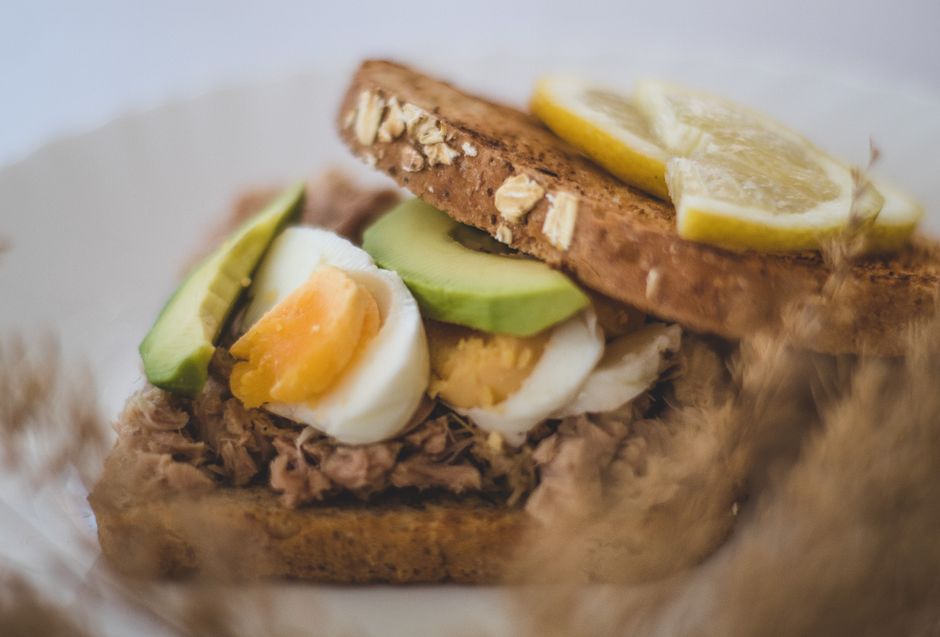
A filling high-protein breakfast pairs a meaningful protein serving with fiber, rather than chasing protein alone: a 2016 randomized crossover trial found that a 30 g-protein breakfast improved satiety, while a 20 g-protein breakfast with 7 g of fiber also reduced post-meal glycemic response. For busy mornings, overnight oats, a prepared egg-based meal, or a plant-protein bowl can fit different schedules and preferences.
What is a good high-protein breakfast that will keep me full until lunch?
A good high-protein breakfast that may help with fullness combines protein, fiber, and a calorie level that fits the wider day. The useful comparison is not “eggs versus oats” or “homemade versus convenient.” It is whether the meal has enough protein and whether it includes foods that add fiber and other nutrients.
In the 2016 trial of 48 healthy adults, all test breakfasts provided 390 calories. The 30 g-protein egg breakfast produced greater overall satiety than the 10 g-protein cereal breakfast, and participants ate 135 fewer calories at the following meal; the 20 g-protein, 7 g-fiber breakfast was associated with 69 fewer calories at that meal. Those are controlled-study findings, not a promise that any one breakfast will change appetite in exactly the same way. Still, they point toward a practical rule: protein and fiber work better as a pair than protein marketing on its own.
| Breakfast route | Documented nutrition or study design | Time or format | Who it may suit |
|---|---|---|---|
| Meal-prep overnight oats | 338 calories, 19 g protein, and 7 g fiber per serving, according to the USDA MyPlate recipe accessed in 2026 | 5 minutes before overnight refrigeration; recipe makes 2 servings | Egg-free mornings and planned breakfasts |
| Cooked egg-based breakfast | 30 g protein and 390 calories in the 2016 randomized trial | Cooked option; preparation time was not reported | People who prefer a hot breakfast |
| Convenience breakfast meal | 30 g or 39 g protein and about 280 calories in the 2015 randomized trial | Commercially prepared convenience meal | Grab-and-go or limited-prep mornings |
| Plant-protein breakfast | The American Heart Association states that a cooked 1-cup serving of beans, peas, lentils, or tofu can replace a 2-ounce meat, poultry, or fish serving | Make ahead or assemble from prepared ingredients | Vegetarian or dairy-free patterns |
The table is a decision aid, not a ranking. A 2015 convenience-meal study found that breakfasts with 30 g and 39 g protein increased satiety ratings versus a 3 g-protein pancake breakfast and skipping breakfast. The 39 g condition was followed by a 692-calorie lunch, compared with 789 calories after the low-protein breakfast and 810 calories after skipping. That is a helpful signal about appetite under the study conditions, not a mandate to force breakfast when it does not fit.
How much protein should I eat at breakfast?
There is no official universal protein target for breakfast; the available meal studies tested 20 g, 30 g, and 39 g patterns, while daily needs are assessed across the whole day. The National Institutes of Health Office of Dietary Supplements explains that the RDA is a daily reference value designed to meet the needs of 97% to 98% of healthy people, not a one-meal prescription.
That distinction is easy to miss. The 2016 trial showed greater satiety at 30 g protein than at 10 g protein, while its 20 g-protein, 7 g-fiber meal also improved post-meal glycemic response compared with the low-protein cereal meal. The 2015 trial found appetite-control differences with 30 g and 39 g convenience meals. These studies provide useful brackets for meal planning, but they do not prove that a single number suits every adult, health condition, calorie preference, or eating schedule.
Protein is not the entire fullness calculation. Fiber-containing foods add another dimension, and the American Heart Association notes that plant protein sources provide dietary fiber and other nutrients. A breakfast built around processed meat may deliver protein but still miss that broader advantage; the association recommends minimizing processed meats such as bacon and sausage.
How can I match breakfast to calories and dietary preferences?
Match the format first, then inspect the nutrition details. The USDA MyPlate Tropical Overnight Oatmeal recipe, accessed in 2026, is the clearest documented meal-prep example here: it supplies 338 calories, 19 g protein, 7 g dietary fiber, 7 g fat, and 0 g added sugars per serving, and the initial preparation takes 5 minutes. It uses oats, nonfat milk, nonfat Greek yogurt, fruit, and almonds.
For a dairy-free adaptation, the recipe information identifies fortified unsweetened soy yogurt and soy milk as substitutions. For an egg-free breakfast, the same overnight-oats format already qualifies. For a vegetarian pattern, beans, lentils, tofu, nuts, and soy are protein-food options recognized by the American Heart Association. Exact calories, protein, and fiber will change with ingredients and portions, so public data in the supplied sources do not provide one standardized nutrition total for every swap.
For a cooked route, the 2016 egg-based breakfast research gives an evidence-based protein-and-fiber template. For a grab-and-go route, the 2015 convenience-meal research makes the trade-off plain: speed can coexist with higher protein, but the study does not establish that every packaged product is equally nutritious. Check what is actually in the item, not just the protein number on the front.
How should I assess a protein shake or packaged breakfast?
Assess the whole label, not the protein claim. The 2020-2025 Dietary Guidelines for Americans describe nutrient-dense foods as foods that provide vitamins, minerals, and other health-promoting components with little added sugar, saturated fat, and sodium. For people age 14 and older, the guidelines set daily limits of less than 10% of calories from added sugars, less than 10% from saturated fat, and less than 2,300 mg sodium.
This is the unglamorous but useful part. A shake may be practical, and a frozen breakfast may be practical, but neither earns a nutrition halo because it contains protein. Compare added sugars, saturated fat, and sodium with the broader day, then consider whether the meal includes a fiber source. If weight management is part of the question, our guide to losing belly fat after 65 without losing muscle discusses why preserving muscle deserves attention alongside any calorie-focused plan.
Frequently Asked Questions
Can I lose weight by eating a high-protein breakfast?
A high-protein breakfast does not guarantee weight loss. In a 2015 trial, participants ate less at lunch after a 39 g-protein breakfast than after a low-protein breakfast or no breakfast, but the study measured short-term intake rather than long-term weight change. Overall eating patterns and individual circumstances still determine whether body weight changes.
What high-protein breakfast can I eat without eggs?
USDA MyPlate's Tropical Overnight Oatmeal is an egg-free option with 19 g protein and 7 g fiber per serving in the recipe information accessed in 2026. The American Heart Association also identifies beans, peas, lentils, nuts, and soy as plant protein choices; these foods can be used to build an egg-free breakfast around the dietary pattern that fits the person.
Are protein shakes a healthy breakfast every day?
A shake can contribute protein, but protein alone does not establish whether it is a nutrient-dense breakfast. The 2020-2025 Dietary Guidelines for Americans advise limiting added sugars, saturated fat, and sodium, so the Nutrition Facts label and the rest of the day's food pattern matter. Public data in the supplied sources do not establish that every protein shake is appropriate for daily use.
The practical process is simple: choose the breakfast format that can be repeated on a workday, pair protein with fiber where possible, and read the label when convenience is doing the cooking. Nobody can forecast precisely how full a particular person will feel. The evidence can, however, make the next breakfast decision less of a guess.
Sources
- PubMed: The effects of the combination of egg and fiber on appetite, glycemic response and food intake
- PubMed: Randomized crossover trial of convenience breakfast meals
- USDA MyPlate: Tropical Overnight Oatmeal
- National Institutes of Health Office of Dietary Supplements: Nutrient Recommendations
- Dietary Guidelines for Americans, 2020-2025
- American Heart Association: Picking Healthy Proteins
Disclaimer: This article is for general information only and is not medical advice. It is not a substitute for diagnosis or treatment by a qualified healthcare professional. Always speak to your doctor before acting on anything you read here.