How Can I Lose Belly Fat After 65 Without Losing Muscle?
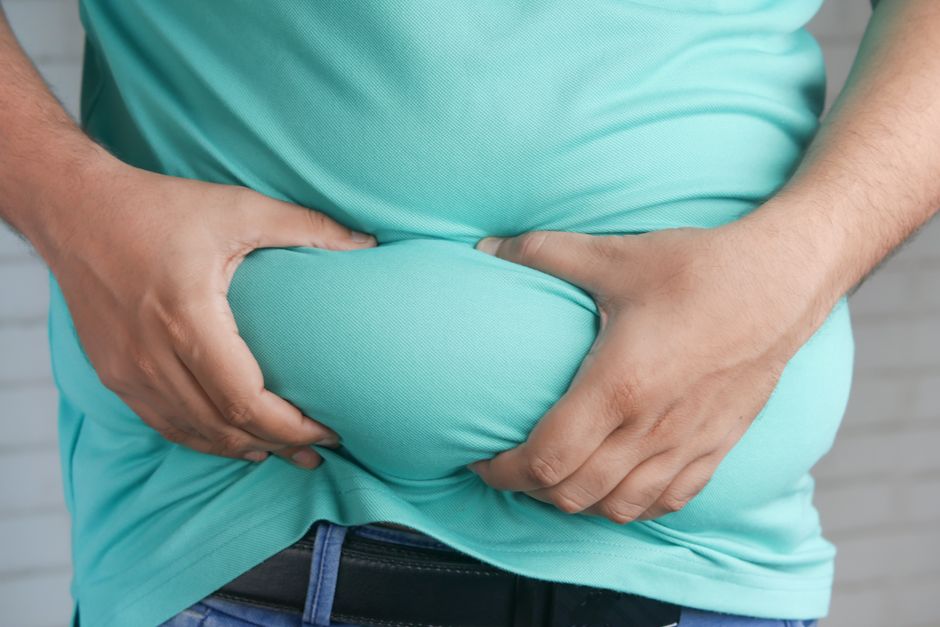
Adults over 65 can reduce abdominal fat without making muscle and joint protection an afterthought by pairing brisk walking or other aerobic activity with full-body resistance training and nutrient-rich eating that creates an energy deficit. The strongest older-adult trial found that combined aerobic and resistance exercise during weight loss reduced visceral fat more than either approach alone (PubMed, 2021).
That is the useful frame: do not try to negotiate with one body part. Build a routine that gives fat loss, strength, and physical function a seat at the same table. Results vary, and no single routine guarantees a smaller waist, but the evidence points to a process that is much sturdier than chasing an abdominal exercise.
Why is it harder to lose belly fat after 65?
It can be harder because metabolism can change with age, while aging is also associated with muscle loss at every body weight, according to the National Institute on Aging. In plain English, the old arrangement of eating and moving may no longer produce the same result. That is not a character flaw. It is a reason to pay attention to both food intake and activity.
Abdominal fat matters for more than how trousers fit. The National Heart, Lung, and Blood Institute describes visceral fat as fat inside the abdomen and notes its connection with inflammation and heart disease and diabetes risk. NHLBI also cautions that BMI is a screening tool, not a direct diagnosis of body fatness.
Menopause, sleep, and medicines may affect an individual’s waist or weight-management experience, but the supplied public sources do not quantify those effects or establish a one-size-fits-all adjustment. That uncertainty matters. A broad claim can sound satisfying while telling a reader almost nothing useful.
The practical implication is to avoid treating weight loss as a scale-only project. In a randomized trial published in 2021, 160 adults age 65 and older with obesity lost roughly 10% of body weight under a structured program. The combined aerobic-and-resistance group reduced visceral fat by 36%, compared with 19% for aerobic exercise and 21% for resistance exercise alone (Waters and colleagues, 2021). The comparison is not a promise. It is a strong argument for keeping both forms of movement in the plan.
Can I lose belly fat by walking every day?
Walking every day can be a practical way to accumulate aerobic activity, but walking alone is not the complete muscle-protection strategy supported by the evidence. The CDC guidance published in 2024 says adults age 65 and older need 150 minutes of moderate-intensity aerobic activity weekly, an effort equivalent to brisk walking. It gives a familiar example: 30 minutes on 5 days each week.
Consistency beats trying to make one outing heroic. A walk that is brisk enough to count toward moderate activity is a useful building block, and it can be divided across the week. Yet the CDC recommendation also includes muscle-strengthening activity on at least 2 days and balance activity, because the target is not merely calorie use. It is physical function and lower fall-related risk.
| Component | Evidence-based reference point | Why it belongs in the same plan |
|---|---|---|
| Aerobic activity | 150 weekly minutes of moderate activity, according to CDC guidance published in 2024 | Brisk walking is the CDC’s example of moderate effort. |
| Strength work | At least 2 days weekly; 8 to 12 repetitions per exercise, according to CDC guidance published in 2024 | It covers major muscle groups rather than isolating the midsection. |
| Balance activity | Included weekly in CDC guidance published in 2024 | Multicomponent activity supports physical function and helps reduce fall and fall-injury risk. |
For people managing mild knee discomfort, the exercise choice and progression can affect whether a routine is sustainable. This related guide explains how to build knee strength without making mild knee discomfort worse. The broader point remains simple: walking is valuable, but a walking-only plan leaves a major part of the evidence unused.
Do crunches and planks burn belly fat?
No, crunches and planks do not selectively burn belly fat, although they can improve abdominal muscular endurance. In a randomized study published in 2011, participants performed abdominal exercises for 6 weeks while maintaining an isocaloric diet. The researchers found no significant change in body weight, body-fat percentage, abdominal circumference, or other abdominal-fat measures (Journal of Strength and Conditioning Research, 2011).
That study is a clean reminder that stronger abs and less abdominal fat are different outcomes. The abdominal-exercise group improved curl-up performance, but the body-composition measures did not move in the desired direction. A plank can still be part of a well-rounded strength routine. It just should not be sold as a local fat-loss tool.
There is a more productive way to think about the core: it is one of several areas to strengthen. CDC guidance published in 2024 says muscle-strengthening activity should cover the legs, hips, back, chest, abdomen, shoulders, and arms. Full-body work is less glamorous than a promise about one stubborn area. It is also closer to the available evidence.
How can I lose weight after 65 without losing muscle?
The evidence supports combining an energy deficit with resistance training and aerobic activity, rather than relying on aerobic exercise alone. In the 2021 trial of adults age 65 and older with obesity, lean-mass loss was 3% in the combined-exercise group and 2% in the resistance-only group, compared with 5% in the aerobic-only group. Those figures do not mean every person will see the same trade-off; they show why resistance work belongs in a weight-loss discussion.
The study’s structured intervention included a daily energy deficit of 500 to 750 calories, protein at 1 gram per kilogram of body weight daily, and supervised exercise 3 times weekly. Those are trial conditions, not a universal prescription. They are useful chiefly because they show the researchers did not separate food intake from exercise and then pretend one lever did all the work.
A separate randomized trial published in 2015 studied adults age 65 to 79 who performed progressive, moderate-intensity resistance training 3 times weekly, with or without calorie restriction. Resistance training alone increased thigh muscle volume by 3.1%, while both groups improved measures including knee strength and gait speed (American Journal of Clinical Nutrition, 2015). This is why “lose weight” is too thin a goal. Preserving function is part of the outcome.
The National Institute on Aging recommends a pattern rich in vegetables, fruits, whole grains, low-fat dairy, and lean proteins. A sensible sequence is therefore to establish repeatable meals from those categories, add aerobic work that fits current capacity, and include full-body strengthening instead of saving it for later. Process first. The scale can report the result, but it cannot design the process.
Frequently Asked Questions
What foods help reduce visceral fat for older adults?
The National Institute on Aging describes an eating pattern built around vegetables, fruits, whole grains, low-fat dairy, and lean proteins. Its guidance does not identify a single food that selectively reduces visceral fat; the relevant evidence is an overall energy deficit while maintaining nutrient-rich food choices.
How much strength training should seniors do for fat loss?
CDC guidance published in 2024 says adults age 65 and older need muscle-strengthening activity on at least 2 days each week, covering major muscle groups. The CDC describes 8 to 12 repetitions per exercise, with 1 set providing benefit and 2 to 3 sets providing additional benefit.
Should I track my waist measurement instead of just my weight?
Track waist alongside weight rather than treating either measure as the whole answer. NHLBI explains that BMI is a screening tool and that someone may have a normal BMI while carrying more abdominal fat; it identifies waists above 40 inches for men and above 35 inches for women as unhealthy.
A waist measurement, strength in everyday tasks, energy, and relevant health markers can provide a more complete picture than body weight alone. Start with the repeatable basics, record more than one signal, and let the pattern over time do the talking.
Sources
- Centers for Disease Control and Prevention: What Counts as Physical Activity for Older Adults
- National Institute on Aging: Maintaining a Healthy Weight
- PubMed: Effect of Aerobic or Resistance Exercise, or Both, on Ectopic Fat in Older Adults With Obesity
- National Heart, Lung, and Blood Institute: Overweight and Obesity
- PubMed: The Effect of Abdominal Exercise on Abdominal Fat
- PubMed: Resistance Training and Caloric Restriction in Older Adults
Disclaimer: This article is for general information only and is not medical advice. It is not a substitute for diagnosis or treatment by a qualified healthcare professional. Always speak to your doctor before acting on anything you read here.