
How Can I Reduce Stomach Fat Without Chasing Spot Reduction?
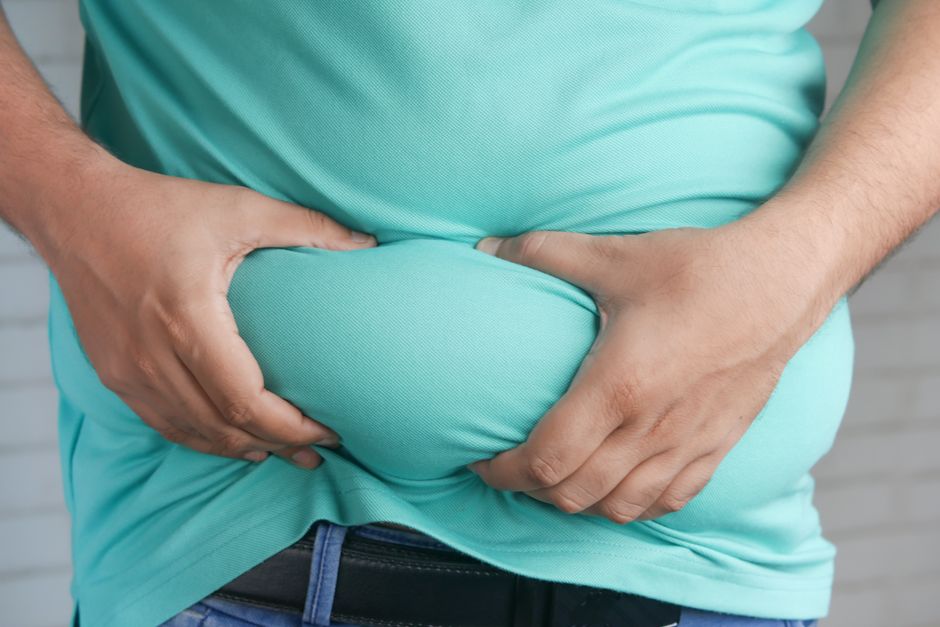
Reducing stomach fat does not come from targeting the stomach. The evidence supports a sustainable pattern: an eating plan that lowers overall energy intake, regular aerobic activity, resistance training, sufficient sleep, and patient tracking of more than appearance. Aerobic exercise has stronger evidence for reducing visceral and total abdominal fat than abdominal exercises alone, while body-fat distribution and timing vary from person to person.
That is less dramatic than a daily sit-up challenge. It is also more useful. The research separates abdominal subcutaneous fat from visceral fat, and the British Journal of Sports Medicine review notes that visceral fat carries greater cardiometabolic risk while body mass index cannot show where a person stores fat. Appearance alone is a blunt instrument.
Can I lose stomach fat by doing sit-ups every day?
No. Sit-ups and other abdominal exercises may be part of a resistance-training routine, but they do not reliably produce extra loss from the area directly over the worked muscle.
A randomized clinical trial published through PubMed compared diet alone with diet plus abdominal resistance training among overweight or obese women. Both groups lost weight, but the study found no significant between-group difference in abdominal subcutaneous-fat thickness, waist circumference, hip circumference, body-fat percentage, or related measures. In plain English: training the abs did not make the diet work better at shrinking abdominal subcutaneous fat.
This is the practical distinction that tends to get lost. An exercise can train a muscle without directing fat loss from the tissue nearby. Stronger abdominal muscles may matter for training capacity or function, but they are not a shortcut around overall changes in energy intake, activity, sleep, and the other factors that affect body weight.
It also helps to avoid treating every change around the midsection as fat. The supplied research measures visceral and subcutaneous fat with clinical methods; it does not establish whether a day-to-day change in abdominal fullness is fat or bloating. Public data in this source set do not provide a home test that can separate those possibilities.
What exercise burns the most belly fat?
Aerobic exercise has the strongest direct evidence here, particularly for visceral and total abdominal fat, but the most workable exercise pattern is usually one that includes both aerobic and resistance work.
In the STRRIDE AT/RT randomized trial, aerobic training significantly reduced visceral fat, liver fat, total abdominal fat, subcutaneous abdominal fat, and insulin resistance in sedentary adults with overweight and moderate dyslipidemia. Resistance training significantly reduced subcutaneous abdominal fat, but it did not significantly improve the study's other primary fat and metabolic outcomes. The researchers concluded that moderate aerobic exercise was the more time-efficient exercise mode for reducing visceral fat and fatty-liver infiltration in that study population.
That comparison is not an argument to discard resistance training. It is an argument to stop asking one modality to do every job. Aerobic activity has the more direct abdominal-fat result in this trial; resistance training belongs in the wider pattern supported by CDC guidance for regular aerobic movement and muscle-strengthening activity.
| Approach | What the supplied evidence shows | Useful interpretation |
|---|---|---|
| Abdominal resistance exercises | Did not reduce abdominal subcutaneous fat more than diet alone in the PubMed trial. | Use them to train the abdominal muscles, not to promise local fat loss. |
| Aerobic activity | Reduced visceral, total abdominal, and subcutaneous abdominal fat in STRRIDE AT/RT. | It has the clearest direct evidence for abdominal-fat measures in the supplied trials. |
| Resistance training | Reduced subcutaneous abdominal fat in STRRIDE AT/RT but not the trial's other primary fat outcomes. | It complements aerobic activity rather than replacing it. |
| Calorie restriction | Reduced visceral fat in the British Journal of Sports Medicine review. | A sustainable eating pattern remains central, not optional. |
The broader evidence makes the same point without pretending that one workout is magic. A British Journal of Sports Medicine systematic review and meta-analysis of randomized trials found that both exercise and caloric restriction reduced visceral fat. Exercise, unlike caloric restriction in that analysis, showed a dose-response relationship with visceral-fat reduction. More activity expenditure was associated with a larger effect. That is a process finding, not a guarantee about any one waistline.
Walking fits this framework when it is performed at a moderate intensity such as brisk walking, as described by the CDC's physical activity guidance. For readers looking for a less restrictive nutrition companion, healthy eating patterns without restrictive diet rules are more relevant than a short-lived food challenge.
Why is belly fat the last place I lose weight?
Belly fat can seem like the last place to change because fat distribution and weight change are influenced by many factors, and the supplied evidence does not support a fixed order or timetable for fat loss.
The National Institute of Diabetes and Digestive and Kidney Diseases explains that body weight is affected by genes, medications, eating disorders, stress, activity level, sleep, and the food environment. It also notes that as body weight decreases, energy needs decrease because metabolism slows, which can make further loss and maintenance harder. That is not a character flaw. It is a reason to distrust simplistic promises.
Food quality still matters because it helps determine whether an eating pattern can be maintained. The NIDDK describes a sustainable pattern built around vegetables, whole fruits, whole grains, lean protein foods, beans, nuts, seeds, and unsaturated oils, while limiting foods and beverages that make energy intake harder to manage. Its central message is appropriately unglamorous: the plan has to be maintainable over time.
Sleep belongs in this discussion, not in a footnote. NIDDK states that insufficient sleep is linked with weight gain and may increase hunger, calorie intake, and preference for less healthy foods and drinks. A PubMed analysis of NHANES data collected from 2011 through 2014 found an inverse association between sleep duration and visceral-fat mass among US adults, after adjustment for several relevant factors. Because that study was observational, it cannot prove that shorter sleep causes visceral-fat gain. It is a useful caution, not a certainty.
Alcohol and stress deserve the same level-headed treatment. The supplied sleep analysis adjusted for alcohol intake, but it does not establish a specific alcohol effect on abdominal fat. NIDDK lists stress among factors that can affect body weight, but the provided sources do not establish a single stress-reduction method that selectively changes stomach fat. Claims beyond that would be more confident than the evidence allows.
A sustainable way to measure progress
A sensible process uses more than the mirror. Because the research distinguishes visceral fat, subcutaneous abdominal fat, total abdominal fat, and overall body weight, one visible measure cannot capture every relevant change. BMI cannot reveal individual differences in fat distribution, according to the British Journal of Sports Medicine review.
For a general, non-individualized framework, the evidence points toward repeatable meals, regular aerobic activity, regular strength work, and sleep that is protected rather than treated as spare time. The result is not a promise that one area will change on command. It is a way to focus effort on the factors the evidence can actually support.
Keep the goal modest and the record honest. Track the routines that can be repeated, not only a single body area that may change slowly and unevenly.
Frequently Asked Questions
Do walking and strength training help reduce visceral fat?
Walking can contribute to the moderate-intensity aerobic activity described in CDC guidance, and aerobic training reduced visceral fat in the STRRIDE AT/RT randomized trial. Resistance training has value in a broader routine, but in that trial it did not significantly improve the primary visceral-fat outcome on its own. The supplied evidence supports using both rather than treating either as a local-fat-loss tool.
What foods make it harder to lose abdominal fat?
The NIDDK identifies frequent intake of foods and drinks high in calories, sugar, and fat, including sugar-sweetened beverages, as lifestyle patterns associated with weight gain. Its sustainable eating guidance emphasizes vegetables, whole fruits, whole grains, lean protein foods, beans, nuts, seeds, and unsaturated oils. The supplied sources do not support naming one food as a uniquely abdominal-fat-causing food.
How long does it take to notice a reduction in stomach fat?
There is no fixed timeline for a visible change in stomach fat. NIDDK notes that genes, medications, stress, sleep, activity, eating patterns, and the food environment can affect body weight, while research also distinguishes visceral fat from subcutaneous abdominal fat. Tracking a consistent process and discussing unexpected changes with an appropriate clinician is more defensible than promising a date.
Sources
- PubMed: Effect of abdominal resistance exercise on abdominal subcutaneous fat of obese women
- PubMed: STRRIDE AT/RT randomized trial
- British Journal of Sports Medicine: Dose-response effects of exercise and caloric restriction on visceral adiposity
- Centers for Disease Control and Prevention: Physical Activity Recommendations
- National Institute of Diabetes and Digestive and Kidney Diseases: Eating and Physical Activity to Lose or Maintain Weight
- National Institute of Diabetes and Digestive and Kidney Diseases: Factors Affecting Weight and Health
- PubMed: Shorter sleep duration is associated with greater visceral fat mass in US adults
Disclaimer: This article is for general information only and is not medical advice. It is not a substitute for diagnosis or treatment by a qualified healthcare professional. Always speak to your doctor before acting on anything you read here.